Jail and prison in Wisconsin serve different purposes, and knowing the difference can affect how sentences are served and how families plan for their loved ones. Jails usually hold people who are awaiting trial or serving short sentences, while prisons are for individuals convicted of more serious crimes with longer terms. County jails focus on short-term confinement, work release programs, and electronic monitoring, whereas state prisons provide long-term incarceration with structured supervision and programs for rehabilitation. Understanding this distinction helps residents, lawyers, and families manage expectations and legal responsibilities more effectively.
The Wisconsin Inmate Locator serves as a central resource for anyone seeking information about inmates, providing clarity on custody status and facility location. Understanding the difference in custody type is crucial, as it affects how sentences are calculated and what privileges are available. Time spent in jail before sentencing often counts toward the total sentence, and programs such as Huber work release, home detention, and good time reductions can shorten confinement for eligible inmates. In contrast, prisons include a period of extended supervision after release, ensuring accountability and supporting reintegration into society. By using the Wisconsin Inmate Locator, families and legal professionals can navigate Wisconsin’s correctional system with confidence, making informed decisions and staying updated on incarceration histories, privileges, and release details.
That is Jail in Wisconsin
Jail in Wisconsin is a short-term facility where individuals are held before or after sentencing. It differs from prison mainly in duration, purpose, and management.
Jail Before Sentencing
When someone is arrested, they are typically taken to a county jail for pre-trial detention. At this stage, a bail hearing determines whether the individual can be released before their court date. If the person cannot post bail, they remain in pre-sentencing custody until a judge or court commissioner decides on the next steps. During this period, all time spent in jail is credited toward any sentence eventually imposed. Individuals in pre-trial detention are confined to the facility except for emergency medical treatment. This ensures that the court can monitor their presence and maintain public safety.
Sentences to Jail
After sentencing, the judge decides the length of the jail term and any special privileges the inmate may receive. The sheriff, who operates the jail, determines how the sentence is served. This may include full confinement in the jail or partial home detention with electronic monitoring. Home detention allows inmates to serve their sentence at their residence while wearing an electronic bracelet that tracks their location. The sheriff can also grant work release opportunities, allowing limited time outside the facility for employment, education, or essential appointments. Failure to comply with jail rules or home detention restrictions can result in returning to full confinement.
Good Time and Sentence Reduction
Wisconsin law provides a “good time reduction”, which reduces jail sentences by 25%. For instance, an inmate sentenced to 60 days in jail will serve only 45 days if they follow all rules. Good behavior and participation in certain programs can also shorten the confinement period. This system encourages compliance and accountability while maintaining a structured environment within the jail. It also ensures that inmates have an incentive to engage positively during their sentence.
Work Release and Huber Privileges
Some inmates qualify for Huber privileges, which allow them to leave the jail for up to 12 hours daily. This time can be used for work, job search, schooling, childcare, medical appointments, or treatment programs. Huber privileges are designed to help inmates maintain community connections and prepare for reentry while still serving their sentence.
What is Prison in Wisconsin
State prison in Wisconsin refers to facilities operated by the Wisconsin Department of Corrections where individuals serve longer-term sentences for serious offenses. Sentences to jail or prison differ mainly in length, type of custody, and supervision after release. When a person is sentenced to state prison, they are transferred from the county jail to the custody of the Wisconsin Department of Corrections (DOC). The DOC manages confinement, security, and rehabilitation programs for inmates, ensuring public safety while supporting gradual reintegration into society. Unlike county jails, which often hold individuals awaiting trial or serving short-term sentences, state prisons house those with longer-term commitments.
Confinement vs Extended Supervision
All prison sentences in Wisconsin consist of two parts: initial confinement and extended supervision. The confinement period is served inside the prison under strict supervision, while extended supervision allows inmates to live in the community under conditions set by the court.
- Initial Confinement: Inmates follow structured daily routines, including work assignments, educational programs, and treatment services.
- Extended Supervision: This phase functions like a monitored transition period. Individuals must comply with rules such as reporting to a parole officer, maintaining employment, and avoiding criminal activity. Violation of these rules can lead to a return to prison for the remaining sentence.
This structure reflects the custody difference between jail and prison, emphasizing long-term management and rehabilitation for serious offenders.
Sentence Reduction Options
Prison inmates may have opportunities to reduce the period of confinement through programs and petitions, though the total sentence remains legally fixed.
Some common options include:
- Earned Release Program (ERP): Inmates can reduce confinement time by demonstrating good behavior, participating in work or educational programs, and completing treatment requirements.
- Boot Camp: Certain eligible offenders may serve part of their sentence in a structured program emphasizing discipline and rehabilitation.
- Early Release Petitions: Courts may grant petitions to shorten confinement based on demonstrated rehabilitation or special circumstances.
These reductions help encourage compliance, participation in rehabilitation, and personal growth while ensuring the incarceration type aligns with the offender’s risk and needs.
Violations of Extended Supervision
During extended supervision, the inmate must adhere strictly to the conditions imposed by the court. Violations can include failing to report, engaging in illegal activity, or breaking specific rules of supervision.
Consequences of violations may include:
- Court hearings to determine the extent of non-compliance.
- Return to prison to serve all or part of the remaining sentence.
- Possible extension of supervision for severe or repeated infractions.
These measures maintain public safety and reinforce the accountability of individuals transitioning back into the community.
Key Differences Between Jail and Prison
Jail and prison in Wisconsin serve different purposes and are managed by separate authorities. While jails typically hold people for short-term stays or pre-sentencing, prisons are designed for longer-term confinement and rehabilitation under state supervision. The distinction between county jail and state prison impacts sentence length, privileges, and daily life for inmates. Understanding these differences helps residents, families, and victims know what to expect when someone enters the criminal justice system.
Duration of Stay and Offense Type
Jails are primarily used for short-term confinement. People awaiting trial, unable to post bail, or serving sentences of one year usually stay in a county jail. This makes jails a temporary solution for minor offenses and pre-trial custody. Prisons, on the other hand, house individuals convicted of more serious crimes with longer sentences. Sentences often exceed one year, and prisoners serve both a period of confinement and extended supervision. Extended supervision allows the state to monitor behavior after release, helping reduce recidivism.
Jail Privileges and Alternatives to Confinement
In Wisconsin, Huber privileges allow jail inmates to leave confinement for approved activities, such as work, school, childcare, or medical appointments. These privileges, established under state law, let inmates spend up to 12 hours outside the jail each day while remaining under strict supervision. By participating in work release, inmates can maintain community ties, develop skills, and prepare for a smoother transition back into society after completing their sentence. This form of supervised freedom demonstrates a clear custody difference compared to traditional jail confinement.
Home Detention: Serving Time at Home with Monitoring
Home detention with electronic monitoring offers another alternative for inmates to serve part or all of their sentence at home. Inmates wear monitoring devices, often called “bracelets,” which track their movements continuously. Like Huber privileges, home detention may allow inmates to work, attend classes, or receive necessary medical care while following strict schedules. This approach supports rehabilitation, helps reduce jail overcrowding, and provides a structured way for inmates to stay connected with family and employment. It also highlights a different incarceration type, balancing public safety with supervised flexibility.
Consequences for Violations
Failure to follow the rules of Huber privileges or home detention can lead to serious consequences. Escaping or intentionally leaving the designated location may result in criminal charges, and inmates could be returned to jail to serve the remainder of their sentence. Violating electronic monitoring or curfew conditions often prompts immediate review by jail authorities, which may include revoking privileges or extending confinement.
Credit for Time Served Before Sentencing
Wisconsin law provides inmates with credit for time served before sentencing. Any days spent in a county jail while awaiting trial or unable to post bail are counted toward the total sentence. For example, if someone spends 20 days in jail before a judge imposes a sentence, those 20 days are subtracted from the final term. This ensures inmates are not punished twice for the same period of confinement.
Good Time Reductions for Compliance
Another common sentence reduction is good time, which allows inmates to serve a portion of their sentence early. Typically, Wisconsin law reduces a jail sentence by 25% for good behavior. For instance, a 60-day jail term can be reduced to 45 days if the inmate follows all jail rules and completes required programs. This system encourages compliance and participation in rehabilitation activities.
Earned Release Programs
In addition, the state offers programs like the Earned Release Program, which provide opportunities to reduce the period of confinement for eligible inmates. These programs often include educational courses, work assignments, or rehabilitation efforts. Participation in such programs can shorten the active prison term while extending the period of extended supervision proportionally, keeping the overall sentence consistent.
Details for Victims and Public Notification
The VINE system provides crime victims with timely updates about an inmate’s status. It allows victims to track custody changes and receive notifications when an inmate is released, transferred, or moved within the Wisconsin jail or prison system. The VINE system, short for Victim Information and Notification Everyday, is a free, 24-hour service available across Wisconsin. It is designed to give victims peace of mind and help them stay informed about the custody of offenders. Through VINE, users can check an inmate’s location, charges, scheduled release dates, and transfer information. This system ensures victims do not have to contact the jail or prison directly to remain updated.
Tracking Inmate Status
Victims can monitor inmates using the VINE system via phone or online. Key features include:
- Automated notifications: Users receive alerts by phone, email, or text whenever there is a status change.
- Custody updates: Information on whether the inmate is in jail, on home detention, or transferred to prison.
- Release dates: Notifications about upcoming release or court dates.
This service is particularly helpful for individuals who need reliable updates without repeatedly calling correctional facilities. VINE ensures crime victims are informed promptly and can take personal safety precautions if needed.
Limitations of the VINE System
While VINE provides valuable information, it has certain restrictions. The system cannot confirm whether an inmate has Huber work release privileges or is under electronic monitoring. Additionally, VINE does not offer protection or legal enforcement—victims should remain alert and take safety measures independently if they feel at risk.
Despite these limitations, the VINE system remains one of the most effective tools for crime victim notifications and inmate tracking in Wisconsin. It bridges the information gap between law enforcement agencies and the public, enhancing transparency and safety.
How to Access VINE:
- Call: (877) 418-8463
- Online registration: https://www.vinelink.com
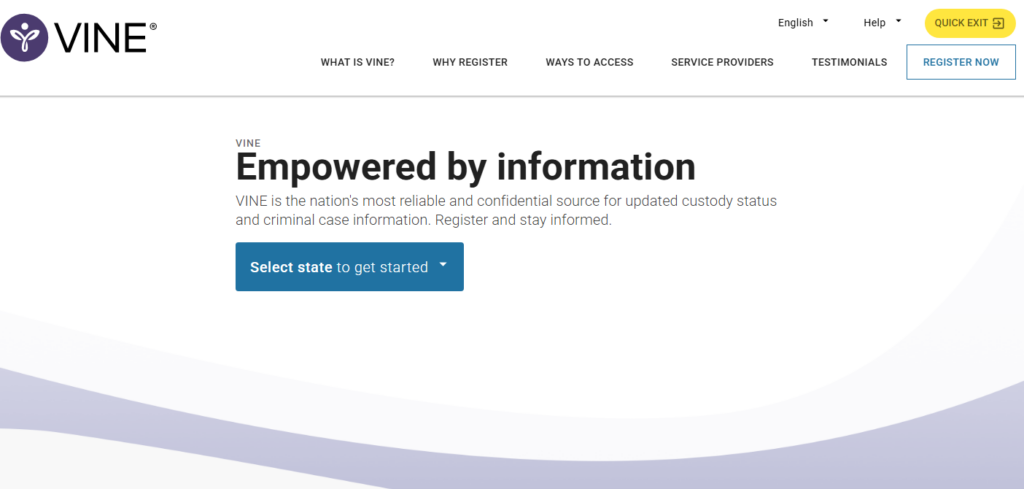
By using VINE, victims can receive updates on custody changes immediately, helping them feel safer and more informed about offenders in the Wisconsin jail and prison system.
(FAQs) About Jail and Prison
This section answers the most common questions about jail versus prison in Wisconsin, inmate privileges, sentence credits, and victim notifications. Each answer is concise, practical, and easy to read.
What is the difference between a county jail and a state prison?
County jails are local facilities for short-term sentences or pre-trial detention, while state prisons hold inmates serving longer terms under the Wisconsin Department of Corrections. Jails are run by county sheriffs and may offer programs like home detention or work release. Prisons focus on long-term confinement, rehabilitation, and security classification. Offense severity also determines placement, with more serious crimes sent to prison. Understanding this difference helps families and inmates know what to expect.
What is Huber privilege?
Huber privilege allows certain sentenced jail inmates to leave the facility for work, schooling, or medical appointments for up to 12 hours daily. Inmates must return to the jail afterward and follow strict rules. The program supports rehabilitation by letting individuals maintain employment, education, or treatment. Violating Huber rules can lead to loss of privileges or return to full confinement. This privilege is only available to eligible inmates who meet specific criteria set by the sheriff and court.
Can time in jail count toward a prison sentence?
Yes, time spent in jail before sentencing counts toward the total prison sentence. Pre-sentencing detention reduces the period of confinement in prison, ensuring fairness. Inmates may also earn additional credits through programs like Good Time or Earned Release, further shortening confinement. Courts automatically apply these credits when calculating the final sentence. This system ensures that inmates are not penalized for the time already served in county jail.
How is extended supervision calculated in Wisconsin?
Extended supervision is the portion of a prison sentence served outside prison under strict rules and monitoring. Its length is based on total sentence duration and any reductions earned during confinement. If an inmate reduces their prison time through programs or good behavior, the extended supervision term is usually lengthened to maintain the total sentence. Violating supervision rules can result in returning to prison for the remainder of the term. This process ensures accountability while supporting reintegration into the community.
How do victims get notified about inmate status?
Victims can use the VINE system, a free service providing updates on an inmate’s custody, release, or transfer. Notifications are sent via phone or email when an inmate’s status changes. VINE offers information about charges, location, and scheduled release dates, but does not track privileges like Huber or home detention. Victims should still take personal safety precautions. This service ensures victims stay informed while respecting legal privacy rules.