The Dane County inmate locator helps people check custody status for those held in county facilities. It shows how to run a Dane County jail search for adult jail bookings and limited juvenile detention records using public data. This page focuses on current jail inmates under Dane County authority, including where they are held and when they were booked. Public records may list a full name, booking date, housing unit, and basic custody status. Arrest records usually appear after the intake steps finish, which may take several hours after an arrest. Court scheduling and bond details depend on the case and the assigned court.
How Dane County handles inmate records for the Dane County Jail in Madison, and the Dane County Juvenile Detention Center,r is commonly explained through the Wisconsin Prison Search framework. Adult jail records share broader public details, since county jail data follows open records rules, while juvenile detention records show limited information due to privacy laws. Search options may include online jail rosters, phone confirmation through the jail office, and custody alerts from the Wisconsin VINE system, helping families, legal contacts, and community members confirm jail status using reliable county sources.
How the Dane County Inmate Locator Works
The Dane County inmate locator shows who is held in county custody at a given time. It pulls public jail records to display basic details about jail inmates, booking activity, and current custody status. The system relies on public records released by the county jail. These records update as people are booked, released, or moved within the facility. Since updates depend on intake timing, new arrests may take several hours to appear on the jail roster.
What Information Is Needed to Search
To get accurate results, the locator works best with clear identifiers. Users usually need:
- Full legal name of the person in custody
- Date of birth to separate similar names
- Optional details like the booking date for faster confirmation
Using a full name with a birth date helps staff confirm custody status when phone verification is required.
County Jail Search vs. Wisconsin DOC Search
A county jail search lists people held locally after arrest or during court proceedings. This includes recent bookings, short-term holds, and pretrial custody. In contrast, the Wisconsin DOC search lists people serving state sentences or under state supervision.
Dane County Jail Inmate Search: Steps
A Dane County jail search helps confirm whether someone is in custody and where they are being held. The Dane County inmate locator uses official jail records, phone verification, and statewide tools to show current custody status. Finding an inmate in Dane County follows a few clear steps. Each option serves a different need, and using more than one method often gives the fastest result.
Check the Dane County Sheriff’s Office Inmate Search
The Dane County Sheriff’s Office posts custody https://www.danesheriff.com/Jails/Jail-Diversion-Program details for many jail inmates.
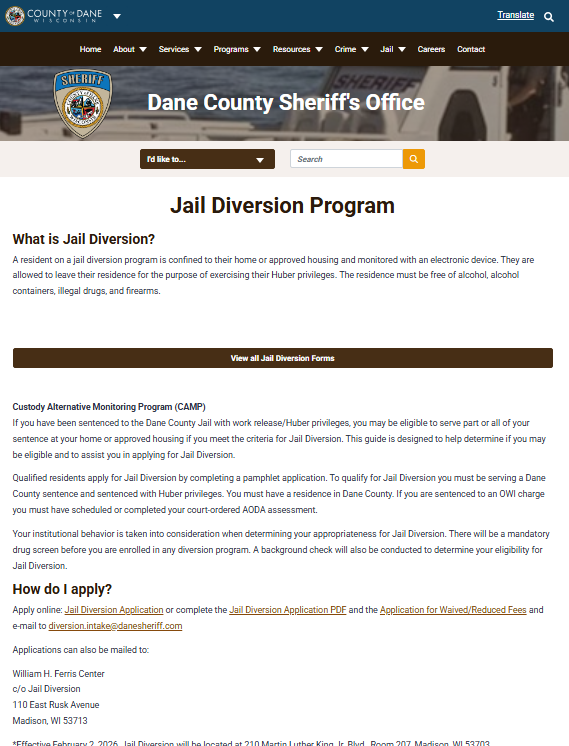
Users usually need:
- Full legal name
- Date of birth
- Approximate arrest date
The inmate list may show booking date, housing location, and bond details. Some short-term holds never appear online, especially during early intake.
Verify Custody by Phone
Calling the jail offers real-time confirmation. Jail staff can confirm custody status when online results are missing or delayed.
Call the Dane County Jail at 608-284-6100 and provide:
- Inmate’s full name
- Date of birth
Staff may share:
- Booking confirmation
- Current housing status
- Bond amount and posting location
Medical details or case notes are not released by phone.
Use the Wisconsin VINE Program
The Wisconsin VINE program tracks custody changes across participating facilities. This tool helps families stay informed without repeated searches. You can sign up and search here: https://www.vinelink.com/search/LA/Person
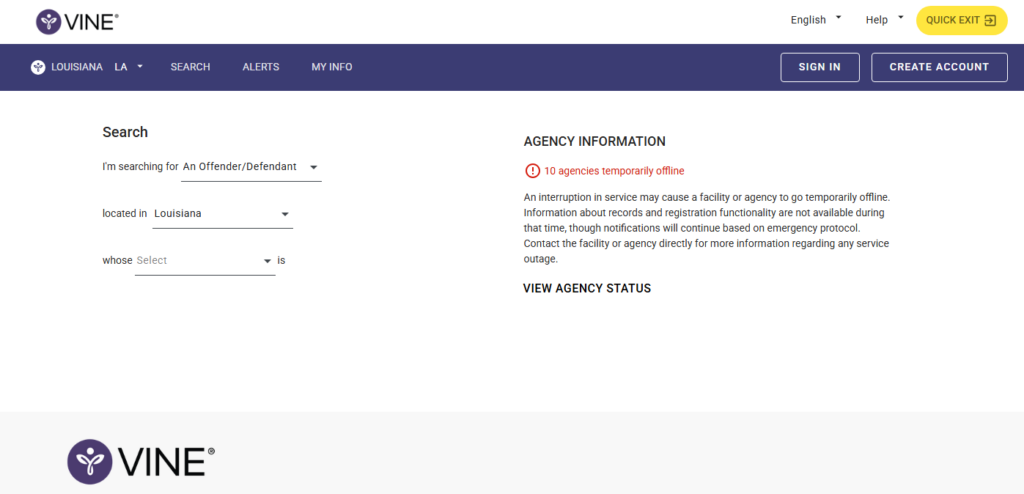
VINE allows users to:
- Search by name or ID
- Receive alerts by phone or app
- Track transfers or release updates
VINE focuses on custody status rather than full jail records.
What Jail Staff Can and Cannot Share
Jail staff provide basic public information. Private details remain protected by law.
Typically available information includes:
- Custody confirmation
- Intake date
- Bond amount
- Court scheduling location
Restricted details include:
- Medical records
- Case strategy
- Internal discipline notes
Why Some Inmates Do Not Appear Online
Online records are updated on a schedule. Arrests during nights, weekends, or court transfers may not appear right away. Juvenile cases follow stricter privacy rules, so names are rarely posted online.
Time Delays After Arrest
Processing takes time. Fingerprinting, health screening, and data entry can delay posting by several hours. Phone verification works best during this window.
Dane County Jail, WI Adult Detention Facility
Dane County Jail, WI, serves as the main adult detention center for Dane County jail inmates held under local authority. The facility supports public safety by housing people awaiting court action or serving short-term sentences. Dane County Jail operates as a county-run detention center under the Dane County Sheriff’s Office Corrections Division. The facility supports courts across the county by holding adults taken into custody by local law enforcement agencies. It plays a direct role in court scheduling, custody management, and secure confinement.
Facility Purpose and Role
The primary purpose of the Dane County Jail is to provide secure detention for adults charged with criminal offenses. People stay here during pretrial periods, short sentences, or pending transfer to another facility. The corrections division manages daily operations, inmate supervision, safety checks, and transport to court. This jail does not serve as a long-term prison. Instead, it functions as a short-term holding and processing center tied closely to county courts and law enforcement.
Capacity and Housing
Dane County Jail maintains an approximate 137-bed capacity, structured to separate housing by custody level and classification needs. Housing units may include general population, temporary holding areas, and restricted custody sections based on safety assessments.
Who Is Held at the Dane County Jail
Dane County jail inmates include:
- Adults arrested within Dane County limits
- People awaiting bond, trial, or sentencing
- Those serving short county-level sentences
State prison inmates do not remain here long-term.
Jurisdiction and Authority
Dane County Jail holds people arrested by city, county, and local agencies within Dane County. The Wisconsin Department of Corrections oversees state prisons, so custody here stays under county jurisdiction until court decisions direct next steps.
Dane County Jail Intake, Booking, and Release Process
The Dane County Jail intake and booking process follows a clear sequence from arrest to release or court placement. Each step records arrest records, confirms identity, and sets custody status under county procedures. After an arrest within Dane County, law enforcement transports the person to the jail for jail intake. Intake staff begin by confirming identity through legal documents and database checks. Arrest details enter the system at this stage, which forms the official custody record used by the court and jail staff.
Arrest and Initial Intake Procedures
During intake, officers collect basic personal details and review active warrants. Staff then complete fingerprinting and take a mugshot for identification and recordkeeping. These records link to arrest records and remain part of the jail file through release or transfer.
Health Screening and Safety Checks
Medical staff conduct a brief health screening soon after intake. This review checks for injuries, medications, and mental health needs. The goal is to support safety inside the facility and identify care needs early. Screening results guide housing placement within the jail.
Property Inventory and Storage
All personal property gets logged and secured during booking. Items such as cash, phones, and jewelry are stored until release. The jail issues a receipt, which helps avoid disputes later.
- Property logged by staff
- Valuables stored securely
- Receipt kept with inmate file
Bond Eligibility and Court Scheduling
Bond eligibility depends on the charge and court rules. If a bond applies, staff explain payment options and limits. Release may occur once the bond clears. If the bond does not apply, the inmate waits for a scheduled court appearance. Court staff set hearing dates, often within one to two business days.
Wisconsin DOC Offender Lookup vs Dane County Jail Search
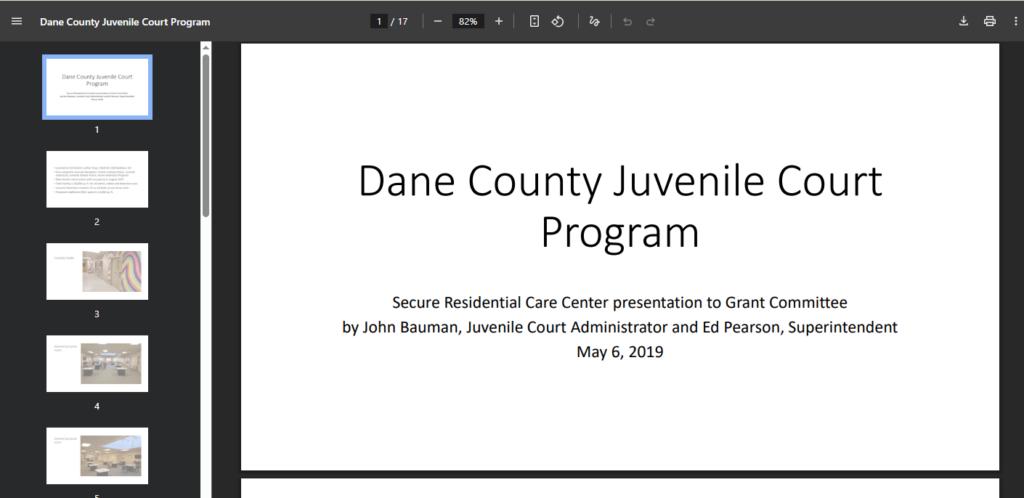
The Wisconsin DOC offender lookup tracks people under state supervision, not those held in county custody. The Dane County jail search shows recent arrests and current jail inmates managed by the county. The Wisconsin Department of Corrections database focuses on people serving prison sentences or https://doc.wi.gov/Documents/AboutDOC/Act185/190506-GrantCommittee/Meeting%20Handouts/DaneCountyPresentation.pdf living under probation or parole. It lists sentence length, supervision status, and past convictions. This system does not display people held right after an arrest at a county jail. So a recent booking at Dane County Jail will not appear there.
How county jail records differ from DOC records
County jails hold people after arrest, before trial, or during short local sentences. Dane County manages its own roster and booking logs. These records change often during intake, release, or bond posting.
Differences at a glance:
| Feature | DOC Offender Lookup | Dane County Jail Search |
|---|---|---|
| Custody type | State supervision | County custody |
| Shows recent arrests | No | Yes |
| Shows parole or probation | Yes | No |
| Booking updates | Limited | Frequent |
Dane County Jail Visitation Rules & Schedule
Jail Inmate Search can help family and friends identify and locate inmates before planning a visit. Dane County jail visitation is available for approved visitors, with specific rules and hours to follow. Visits can be in-person or via video, and all visitors must comply with the jail’s identification and security requirements. Using a Jail Inmate Search tool ensures you have the correct inmate information, making the visitation process smoother. Visitors must present valid photo identification and adhere to security checks, helping maintain safety for both inmates and staff.
Visiting Hours
The Dane County Jail operates structured visitation schedules to accommodate inmates and visitors efficiently. Standard hours are:
- Monday — Thursday: 7:30 AM to 9:00 PM
- Friday: 7:30 AM to 9:00 PM
- Saturday — Sunday: 7:30 AM to 2:30 PM
These hours can vary for certain inmates based on housing unit assignments or security restrictions. Video visitation may also be available outside regular hours, depending on the approved provider policies.
Provider-Based Visitation
All visits, whether in-person or video, are managed through an authorized visitation provider. Visitors must schedule appointments in advance and follow the provider’s instructions for account setup and session management.
- Video visits allow friends and family to communicate with inmates remotely.
- In-person visits require check-in at the jail and passing security screenings.
- Appointments should be confirmed before arrival to avoid cancellations.
Using provider services ensures visits are tracked, secure, and consistent.
Identification Rules
Every visitor must present valid identification to enter the jail or participate in video visitation. Acceptable forms typically include:
- Driver’s license
- State-issued ID card
- Passport
Children visiting with adults may require documentation, such as a birth certificate or court order, depending on the situation. Jail staff may deny entry if the identification or visitor information does not match the inmate records.
Rule Changes Due to Security
Dane County Jail may adjust visitation rules in response to security needs or incidents. These changes can include:
- Temporary suspension of visits for certain housing units
- Adjusted visiting hours for specific inmates
- Restrictions on items brought during visits
Visitors are encouraged to check the jail or provider before arriving to confirm current rules. Staying informed ensures visits proceed smoothly and without delays.
Phone Calls, Commissary & Inmate Deposits
Inmates at Dane County Jail can make phone calls and use commissary services once their accounts are funded. Friends and family can deposit money to support these services, which help inmates stay in contact and purchase essential items. Dane County Jail works with approved service providers to manage phone and commissary accounts. All calls are typically collect or prepaid, and inmates cannot make calls without an active account. Family and friends can fund these accounts online, by phone, or in person. Deposits ensure inmates can purchase items like hygiene products, snacks, and phone minutes.
Phone Call Rules and Limitations
- Inmates can call approved numbers only.
- Calls may be monitored or recorded for security purposes.
- Time limits often apply, usually 15–30 minutes per call.
- Calls must follow the jail’s schedule and are restricted during certain hours.
Funding Inmate Accounts
- Money can be deposited online through the service provider’s portal.
- Deposits are also accepted over the phone or at designated kiosks in the jail lobby.
- Most providers offer instant account credit, but some payments may take 24 hours to process.
Commissary Services
Inmates can use commissary accounts to buy personal items, snacks, and hygiene products. The jail maintains a list of approved items, and purchases are limited to the amount of money in the inmate’s account. This system helps manage funds responsibly while giving inmates access to basic needs.
Refund and Account Rules
- Unused funds may be refunded upon release, often requiring a request from the inmate or their authorized contact.
- Deposits cannot be reversed once processed.
- Always confirm refund policies with the jail or the approved service provider.
These steps, family and friends can ensure inmates at Dane County Jail have efficient access to phone calls and commissary services. Proper account management keeps communication open and supports daily needs while the inmate is in custody.
Sending Mail to an Inmate at Dane County Jail
Sending mail to an inmate at the Dane County Jail is allowed as long as it follows facility rules. Mail must include the inmate’s full legal name, correct jail address, and a return address. Properly addressed mail helps inmates receive messages quickly and avoids delays or rejection. All correspondence goes through the jail’s mailroom, where staff reviews items for safety and compliance. Letters, postcards, and approved photographs are generally accepted, but all contents must follow specific rules to prevent confiscation.
Proper Addressing for Dane County Jail Mail
When sending mail, use this format exactly:
Inmate’s Full Name
Dane County Jail
2120 Rimrock Road
Madison, WI 53713
Include a return address in the upper-left corner to ensure undeliverable mail returns to the sender. Using incorrect names or addresses can cause the mail to be rejected.
What Items Are Allowed
- Letters and postcards: Standard paper and envelopes only.
- Photographs: Must be small, printed, and not depict nudity, gang signs, or contraband.
- Legal documents: Allowed for attorney communications or court-related materials.
Staff will reject mail containing prohibited items such as:
- Polaroid photos or Polaroid-style prints
- Stickers, glitter, or drawings with ink that can’t be scanned
- Enclosures like money, stamps, or packages
Dane County Juvenile Detention Center
The Dane County Juvenile Detention Center serves as a secure facility for youth in custody, offering short-term supervision while awaiting court proceedings. It operates separately from the adult jail, focusing on rehabilitation and safety for minors. The center houses juveniles who are detained for offenses ranging from minor infractions to more serious charges. With a capacity of approximately 24 beds, it provides a structured environment that ensures both security and support. Unlike the adult jail, the facility emphasizes programs designed to maintain education, counseling, and social development while in custody.
Facility Purpose and Role
The primary purpose of the detention center is to safely manage juveniles under court supervision. Staff members work to maintain order, prevent escapes, and reduce the risk of harm to both the youth and the community. The facility also coordinates with local courts to ensure that juveniles appear for hearings on time and that their legal rights are protected.
Functions include:
- Short-term housing for youth awaiting court action
- Coordination with juvenile probation and social services
- Monitoring behavioral compliance and safety
- Providing access to educational and counseling programs
This focus ensures juveniles are kept in a controlled setting while addressing underlying behavioral or social concerns.
Difference from Adult Jail
While both the adult jail and juvenile detention center fall under county corrections, the juvenile facility is designed for minors and operates under different policies. Unlike adult inmates, juveniles have restricted visitation policies, age-appropriate programs, and enhanced privacy protections. The center is smaller, with a lower inmate-to-staff ratio to ensure individualized supervision.
Some notable differences include:
- Capacity: 24 beds versus over 137 in the adult facility
- Programs: Education, counseling, and rehabilitation services
- Legal Oversight: Juveniles are processed under Wisconsin juvenile law
- Visitation & Communication: Age-specific guidelines and limited outside access
Juvenile Detention Intake, Search & Release Process
Juvenile inmates in Dane County are processed through a structured intake system, and their custody status can be checked using authorized juvenile inmate search options. Release and court hearings follow strict procedures that prioritize safety and privacy for the minor. The intake process at the Dane County Juvenile Detention Center begins immediately after a youth is placed in custody. Staff verify the juvenile’s identity, record personal belongings, and perform a brief health and safety assessment. Fingerprinting and a mugshot are standard, while offenses and warrants are logged into the detention system. This ensures each juvenile is documented accurately before being housed.
Once intake is complete, the juvenile’s custody status is established. The facility assigns each individual to a secure living area based on age, risk level, and behavioral considerations. Parents or legal guardians are notified promptly, and information about bail eligibility and scheduled court hearings is recorded. Unlike adult inmates, these records are not publicly posted online to maintain privacy and comply with state laws.
Juvenile Inmate Search Options
Families or legal representatives can use the juvenile inmate search in Dane County through authorized channels, such as the detention center’s intake office or by contacting the Dane County Sheriff’s Office. Searches require the minor’s full name and date of birth. The facility can provide information about custody status, bail amounts, and upcoming court hearings, but details are limited to protect confidentiality. The Wisconsin VINE program can also provide alerts if custody status changes, although it may not show all juvenile details.
Release Procedures and Court Hearings
Release from the juvenile detention center is coordinated with the court system. If bail is allowed, the process follows the scheduled court hearing and is communicated to guardians. Juveniles may be released directly to a parent, guardian, or a court-approved guardian, depending on the circumstances. The facility ensures that all necessary documents, property, and instructions for follow-up court appearances are provided. During hearings, judges review the juvenile’s case, determine custody adjustments, and may assign alternative supervision programs if appropriate. Custody records for juveniles remain confidential, and visitation rules are strictly enforced to ensure safety and compliance with legal standards.
Visitation, Calls & Mail at Juvenile Detention Center
Juveniles in the Dane County Detention Center can receive visits, make phone calls, and exchange mail under strict supervision. Each service follows clear rules to ensure safety and proper communication. The juvenile visitation Dane County program allows family members and approved contacts to meet with residents in-person or through video sessions. Visits require prior approval from the detention center, and all visitors must follow security procedures, including presenting valid identification. Video visits are often scheduled in advance through an authorized messaging service, providing a safe and monitored way to maintain contact.
In-Person and Video Visits
- Scheduling: Visits must be arranged in advance by calling the detention center or using their authorized visitation platform.
- Duration: Typical visits last 30–45 minutes, depending on the inmate’s custody level and the facility’s schedule.
- Rules: Visitors cannot bring electronic devices, weapons, or unauthorized items. Clothing must be appropriate and free of offensive logos.
- Approval: The facility reviews and approves all visitors before each visit. Denials occur if the visitor is not on the approved list or violates rules.
Video visitation provides a convenient alternative for family members who live far from Madison. These sessions are supervised and require an account with the detention center’s messaging provider. Messaging services also allow secure communication for updates or emergency notices.
Phone Calls and Messaging Services
Inmates have access to phone calls through approved providers. Parents or legal guardians can deposit funds to enable calling privileges and maintain contact. Calls are generally limited to a certain number of minutes per day, and all conversations may be monitored for security purposes. Messaging services supplement phone access, letting juveniles receive notifications or send brief messages under staff supervision.
Sending Mail
Mail is an essential way for residents to stay connected. To ensure delivery:
- Include the inmate’s legal name, facility address (215 South Hamilton Street, Madison, WI, 53703-3295), and the sender’s full address.
- Letters may be inspected for prohibited items such as contraband, inappropriate content, or excessive photos.
- Photographs are generally limited to a few per envelope, and packages are only allowed with prior approval.
By following these rules for visitation, calls, and mail, families can maintain meaningful contact while respecting the facility’s safety and operational procedures. Consistent communication also supports positive relationships and helps juveniles stay connected to their support networks.
Dane County Jail Contact Information & Location
The Dane County Jail is located in Madison, Wisconsin, and can be reached directly for inquiries about inmate status, visitation, or other jail services. Residents and visitors can contact the facility by phone or use the official website for informational purposes. The jail is situated at 2120 Rimrock Road, Madison, WI 53713, within Dane County. This location serves as the main detention center for adults under county jurisdiction, housing approximately 137 inmates under the supervision of the Corrections Division.
For immediate assistance or questions regarding custody, bail, or jail procedures, the facility can be reached at the following numbers:
- Detention Office / Custody Information: 608-266-3456
- General Inquiries / Sheriff Office Contact: 608-284-6100
The official Dane County Sheriff website provides additional information, though it is intended for reference and does not replace direct communication with jail staff. Visitors calling the jail should have the inmate’s full name and date of birth ready to receive accurate information on their custody status or scheduled court appearances.
H3: Juvenile Detention Contact Details & Location
The Dane County Juvenile Detention Center is located in downtown Madison and provides secure custody for youth under the county’s supervision. Parents, guardians, or legal representatives can contact the facility directly by phone to verify custody or schedule communication. The facility address is 215 South Hamilton Street, Madison, WI 53703-3295. This 24-bed center is managed by the Corrections Division and handles intake, temporary detention, and coordination with the county juvenile court system.
Phone contacts for the Juvenile Detention Center include:
- Main Line / Custody Updates: 608-267-8886
- Additional Contact: 608-283-2926
Inquiries should include the juvenile’s full name and birth date for accurate custody confirmation. While the official website provides basic information, phone communication ensures real-time updates and verification.
(FAQ) About the Dane County Jail Inmate Locator
The Dane County inmate locator allows users to check the custody status of jail inmates quickly and accurately. It covers both the adult jail and the Juvenile Detention Center, making it a reliable resource for residents, family members, and legal representatives.
Why can’t I find someone in the inmate locator?
Sometimes an inmate may not appear in the Dane County inmate locator because the booking process has not yet been completed, or they are held in another facility under state supervision. The jail roster is updated regularly, but delays of a few hours or a full day can occur after intake. Calling the Dane County Jail or the Juvenile Detention Center can provide immediate confirmation of custody status, and enrolling in the Wisconsin VINE program can send alerts when an inmate enters or leaves custody. It is also important to ensure the full legal name and date of birth are provided when searching, as misspellings or incomplete information can prevent a match.
How long after an arrest does an inmate appear?
In most cases, inmates appear in the Dane County jail search within several hours of being booked, but processing time can affect when information becomes public. Booking involves identification verification, health screening, fingerprinting, and recording charges, all of which must be completed before the inmate is officially listed. Weekend arrests or holidays may also delay updates. For the most accurate and current information, contacting the jail directly is recommended, and providing the inmate’s full legal name and date of birth ensures staff can locate the record quickly.
Can I post bail online?
Posting bail for a Dane County inmate may be possible through approved online payment platforms, though not all types of bonds are eligible for online transactions. Some bail must be paid in person at the jail or through a licensed bail bondsman. The jail and Sheriff’s Office provide guidance on which methods are accepted, including any associated fees or restrictions. For juvenile inmates, bail procedures differ and usually require court approval. It is always recommended to confirm with the jail before attempting to post bail to ensure the payment is processed correctly and the inmate’s release occurs without delay.
How often is inmate information updated?
The Dane County jail roster is updated multiple times throughout the day, but real-time changes may not appear immediately. Booking, release, and custody changes are recorded by jail staff as soon as processing allows. The Wisconsin VINE system provides automated notifications when an inmate enters or leaves custody, which adds a layer of accuracy for those tracking inmates. For urgent questions about bail, court appearances, or custody status, calling the jail directly remains the fastest way to obtain reliable information.
Can juveniles be searched online?
Juvenile inmate records are more restricted than adult records to protect privacy. The Dane County Juvenile Detention Center maintains a roster, but detailed information may not be publicly posted. Parents, guardians, or legal representatives can contact the Juvenile Detention Center directly to confirm custody status, visitation eligibility, or court scheduling. The Wisconsin VINE program can also provide alerts for juvenile custody changes, though the details remain limited to protect minors. Juvenile searches require careful attention to privacy rules while still offering accurate status verification for authorized individuals.