Families and friends of individuals in Wisconsin detention facilities play a critical role in maintaining connection and emotional support. Strong family contact improves behavior, encourages participation in programs, and supports smoother reintegration into the community. Wisconsin inmate family information covers essential procedures for visits, phone calls, letters, and video communication, ensuring loved ones remain engaged safely and effectively. Understanding the inmate visitation Wisconsin rules and inmate contact rules helps families prevent delays or denied visits while staying compliant with facility policies.
Maintaining regular communication also reduces stress for both the inmate and their relatives, providing stability and reassurance during incarceration. Using resources like the Wisconsin Prison Search helps families locate inmates efficiently, access relevant facility information, and plan visits or correspondence accordingly. The Wisconsin Department of Corrections offers additional guides and forums that outline visitation policies, approved communication methods, and support resources for families. By following these guidelines, families can strengthen relationships, support rehabilitation, and actively participate in their loved one’s progress. This structured approach ensures every interaction is meaningful and aligns with DOC rules, making family involvement consistent and effective.
How the Wisconsin Department of Corrections Supports Families
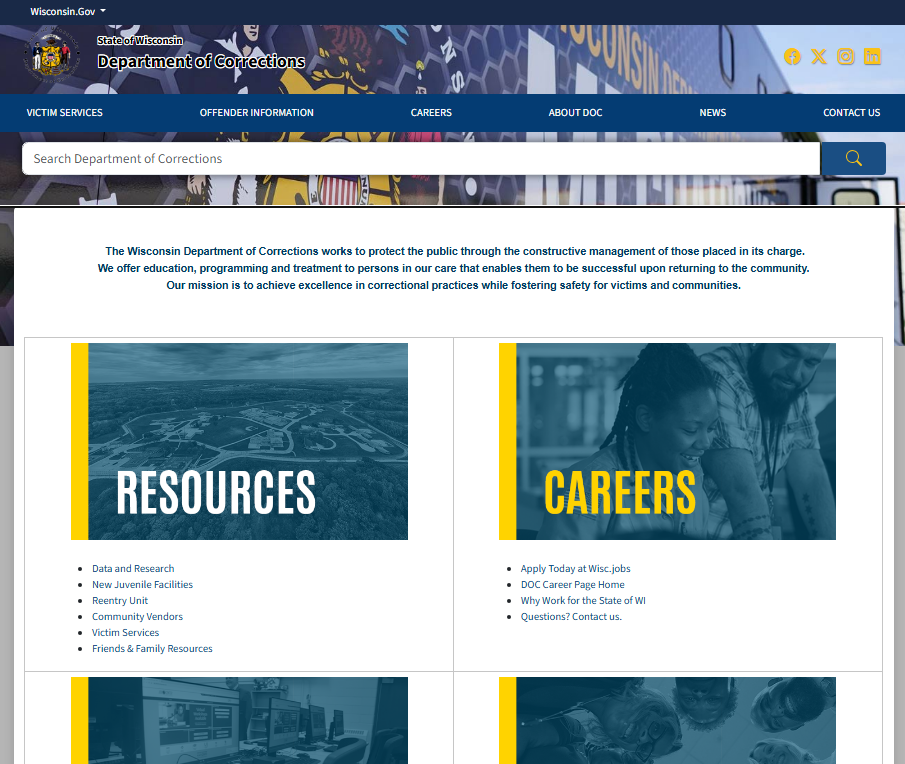
The Wisconsin Department of Corrections (DOC) recognizes that strong family connections can significantly influence rehabilitation. Families play a key role in supporting young people during detention, helping them stay connected to their communities and maintain positive relationships. The DOC actively promotes family involvement by offering a variety of support resources and communication options. These resources help families communicate safely and effectively with their loved ones, including access to mail, phone, and video communication systems. Families are encouraged to engage in constructive dialogue and participate in programs that strengthen bonds while complying with facility rules.
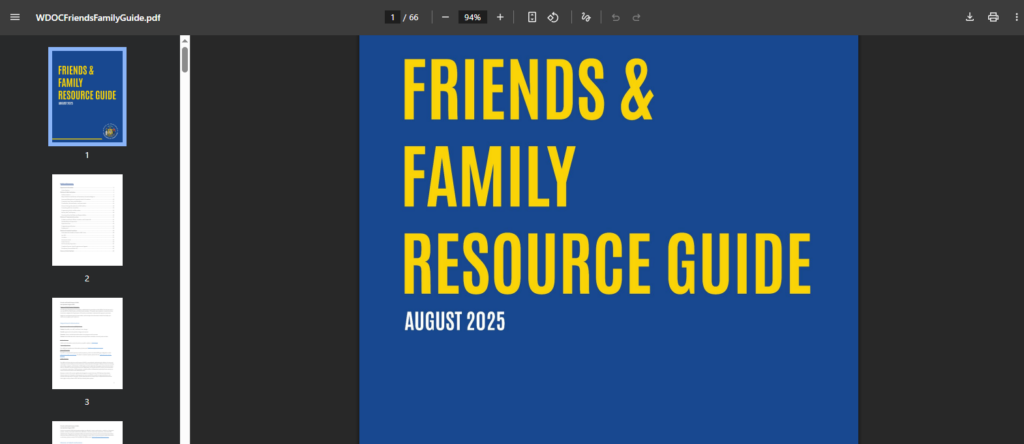
Friends & Family Resource Guide
One of the primary tools for families is the Friends & Family Resource. This provides clear, step-by-step information about how families can remain involved during detention.
It covers important topics such as:
- Visitation procedures for approved family members
- Communication rules, including mail and phone regulations
- Support resources for emotional and practical assistance
- Facility-specific policies to ensure visits and messages comply with DOC rules
The guide is regularly updated to reflect policy changes and includes contact information for facility staff who can assist with questions or special circumstances. Using this guide can help families feel more confident and prepared when interacting with the DOC.
Friends & Family Forums
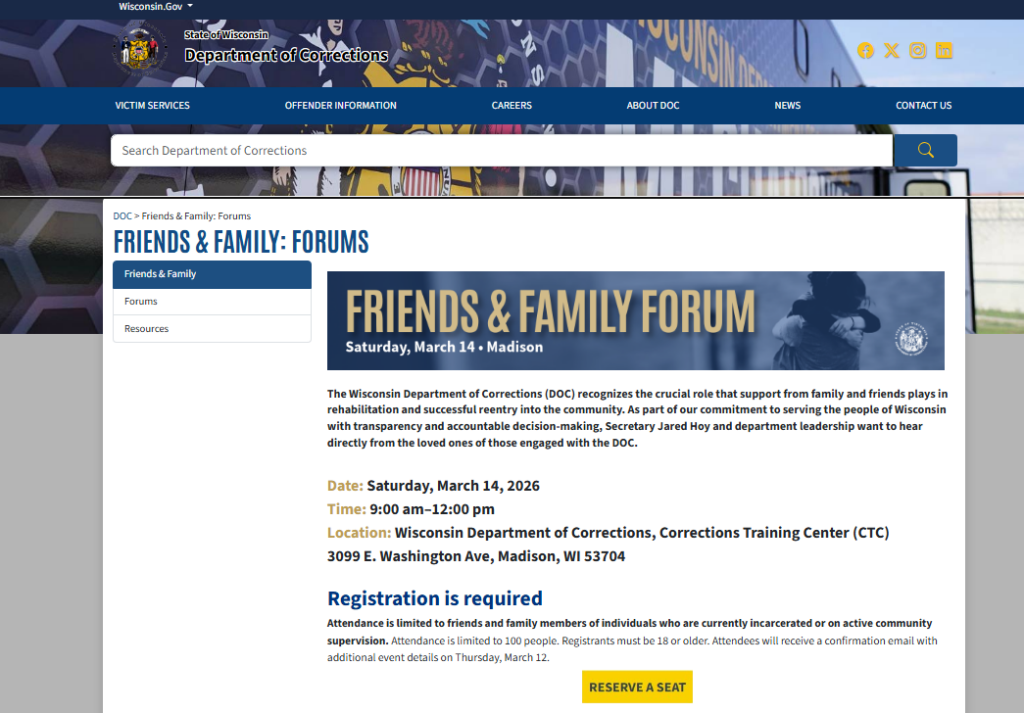
The DOC hosts Friends & Family Forums, providing an opportunity for families to engage directly with department staff. These forums allow attendees to ask questions, share feedback, and learn more about policies affecting detained youth. Attendance is limited to family members of individuals in the DOC system, ensuring a focused and supportive environment.
Upcoming forum details may include:
- Scheduled dates and times for sessions
- Registration requirements, including age and pre-approval
- Opportunities to submit questions in advance
- Presentations from DOC leadership about policies and family support initiatives
These forums help families stay informed about the department’s programs and create a platform for open communication. They also reinforce the DOC’s commitment to transparency and community involvement.
Find Wisconsin Inmate Family Information Quickly
Families and friends can access important information about juvenile detention in Wisconsin with just a few steps. Using the right search tools, they can locate details on visitation rules, mail and phone communication, and upcoming Friends & Family Forums in seconds. A search bar or quick filter on the site allows users to enter phrases like “visitation hours and rules”, “sending mail or money to an inmate”, “upcoming forums”, or “contacting the DOC”. This makes it easy to find reliable resources without scrolling through long pages.
Quick access options include:
- Visitation schedules – hours, rules, and conduct expectations.
- Mail and money information – sending letters, packages, and deposits safely.
- Video and phone communication – instructions for scheduling calls.
- Friends & Family Forums – registration, dates, and question submission.
- DOC contact information – email and phone numbers for support.
Official Wisconsin DOC pages provide free access to these resources:
- https://doc.wi.gov/Pages/Home.aspx
- https://doc.wi.gov/Documents/AboutDOC/WDOCFriendsFamilyGuide.pdf
- https://doc.wi.gov/Pages/AboutDOC/FriendsAndFamilyForums.aspx
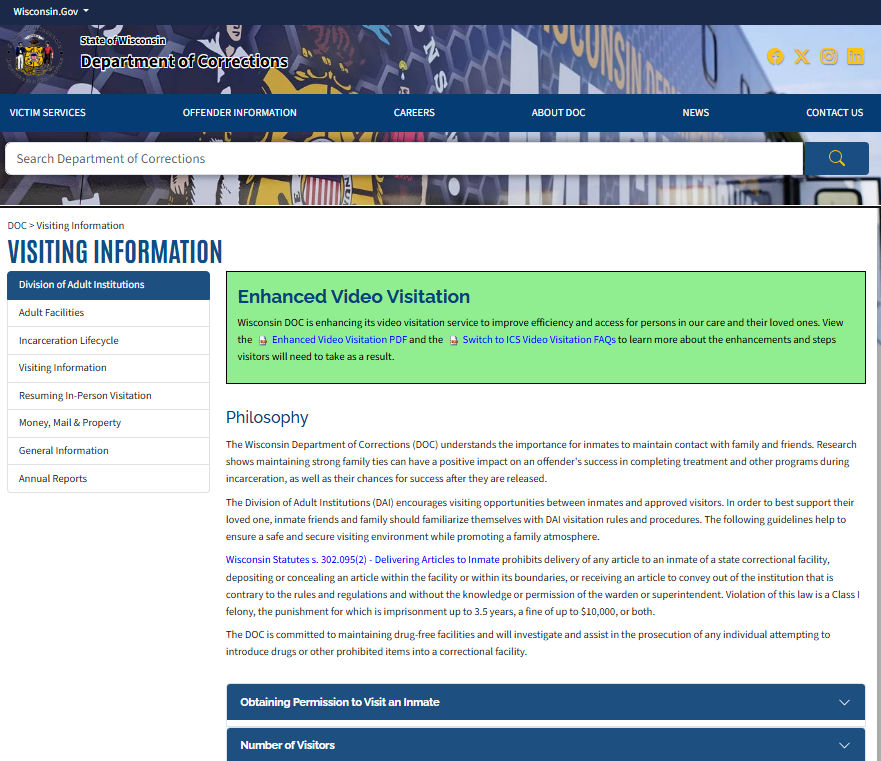
- https://doc.wi.gov/Pages/OffenderInformation/AdultInstitutions/VisitingInformation.aspx
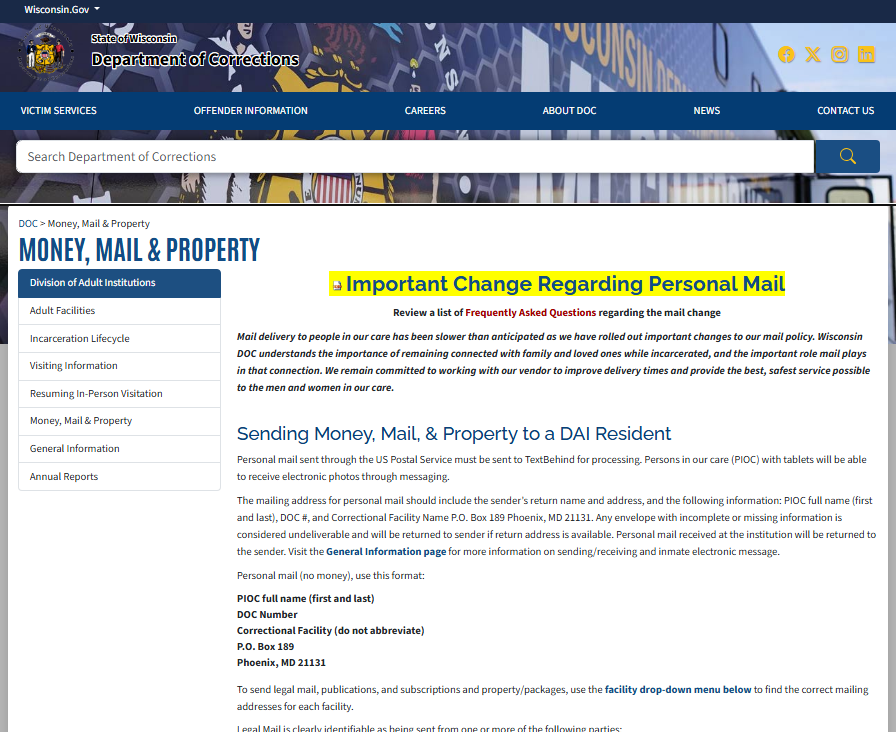
- https://doc.wi.gov/Pages/OffenderInformation/AdultInstitutions/MoneyMailProperty.aspx
Using these tools and official websites, families can find accurate, up-to-date information on inmate communication, visitation policies, and support resources quickly and efficiently.
Inmate Visitation Wisconsin: Policies & Procedures
Families and friends can visit juvenile detention centers in Wisconsin, but they must follow specific rules and procedures to ensure safety and meaningful contact. These visitation policies allow loved ones to maintain connections while supporting the youth’s well-being and rehabilitation.
Approval Process (DOC‑21AA Form)
Before visiting, every person must be approved and added to the youth’s official visiting list by submitting the DOC‑21AA form, which collects the visitor’s details, relationship, and contact information. The facility reviews submissions to verify eligibility, conducts background checks, and confirms approval, usually within several business days. Visitors must present written confirmation and a valid photo ID upon arrival to gain access, ensuring a secure environment for both youth and staff while facilitating family support.
Visitor Limits & Eligibility
Juvenile facilities prioritize immediate family but may approve extended family or close friends, with limits on the number of visitors per session to maintain order. Adults must pass background checks, and minors can visit only when accompanied by an approved adult. Certain criminal histories or previous behavioral issues may restrict visits, while most family members are eligible when listed on the approved visitor roster, balancing safety with the opportunity for regular, supportive contact.
Special Visits & No‑Contact Rules
Youth with specific behavioral or safety concerns may have special visits arranged, such as extended or supervised sessions, while some may be placed on no-contact status for safety reasons or legal considerations. Families are notified if restrictions apply, and requests for special visits are reviewed on a case-by-case basis, ensuring that interactions remain structured, safe, and supportive of the youth’s rehabilitation process.
Visiting Conduct & Rules
Visitors are expected to follow all facility rules, including respectful communication, dress codes, and staff instructions, while prohibited items such as electronics or weapons are not allowed. Behavior violations can result in immediate termination of the visit and affect future approvals, making adherence to the DOC visitation checklist critical for a smooth and successful experience that preserves access and promotes positive interaction.
Scheduling & Hours
Visitation sessions are scheduled according to each facility’s operational hours, often on weekends or designated weekdays, and must be reserved in advance through the facility. Arriving early, completing check-in procedures, and observing time limits help ensure orderly visits while supporting youth through consistent family interaction, which encourages emotional support, positive behavior, and stronger family bonds.
Inmate Contact Rules: Communication Options
Families and friends can maintain meaningful connections with juveniles in Wisconsin detention through phone calls, video visits, and mail. Each method has established rules and procedures to ensure communication remains safe and secure. Regular contact supports rehabilitation and helps young individuals feel connected to their support network. The Wisconsin Department of Corrections provides clear visitation and communication policies so loved ones can interact consistently, responsibly, and respectfully.
Phone Calls
Phone communication is an essential way for families to maintain regular contact with juveniles in detention. The DOC encourages these calls because they help youth stay connected to their families and communities.
Phone rules include:
- Prepaid Accounts: Families often need to set up an account through the DOC-approved phone provider.
- Call Duration: Calls are usually limited to 15–30 minutes, depending on facility rules.
- Call Frequency: Most juveniles can make calls on a set schedule, often daily or several times per week.
- Monitoring: All calls are recorded and may be monitored for safety, so conversations should remain appropriate.
Using phone calls responsibly strengthens communication and reduces misunderstandings. Families should check with the facility to confirm exact schedules and costs.
Video Visitation
Video visitation offers a modern way for families to see and interact with juveniles without visiting the facility in person. Wisconsin DOC partners with providers like ICSolutions to make video visits secure and structured.
Steps to schedule a video visit:
- Create an Account: Families must register with the video service platform approved by the facility.
- Approval: Only approved visitors on the juvenile’s contact list can schedule video visits.
- Scheduling: Visits are typically set in advance, with limited slots per week.
- Technical Requirements: A stable internet connection, a webcam, and a private space are required.
Video visits follow similar rules to in-person visits, including dress codes and behavior standards. They provide a safe, visual way to maintain relationships while keeping security protocols intact.
Mail Rules and Best Practices
Sending letters and packages remains a vital way for families to communicate with juveniles in detention. Mail is monitored to ensure safety, but when done correctly, it fosters meaningful connections.
Mail guidelines include:
- Approved Items Only: Letters, photographs, and educational materials are usually allowed. Items like cash, explicit content, or unauthorized packages are prohibited.
- Address Format: Mail must include the juvenile’s full name, ID number, and facility address.
- Envelopes and Paper: Plain envelopes and standard letter-sized paper are preferred to reduce processing issues.
- Check Policies: Each facility may have unique rules on book orders or small gifts; always confirm before sending.
Families can use mail to encourage, celebrate milestones, or share information about school, hobbies, and daily life.
Sending Money and Commissary
Families may send funds to help juveniles purchase personal items or access educational resources through the facility commissary. Proper use of these services supports comfort and responsibility.
For sending money:
- Approved Methods: Use DOC-authorized services to deposit funds online, by phone, or via money orders.
- Spending Limits: Facilities set limits on how much juveniles can receive and spend each week.
- Receipts: Keep transaction records to track deposits and spending.
Funds can be used for hygiene items, snacks, and educational materials. Teaching juveniles how to manage money responsibly supports life skills while respecting facility rules.
Visitation Checklist: What Families Need to Know
Visiting a juvenile detention facility in Wisconsin is smoother when families come prepared with proper documents, knowledge of rules, and awareness of conduct expectations. Understanding the role of Probation and Parole officers can help families coordinate visits, comply with supervision requirements, and support the youth’s rehabilitation process. Following visitation policies helps maintain a safe environment and ensures meaningful interactions with the youth.
Documents and Approval Requirements
Families must bring a valid government-issued ID, any approval confirmation from the facility, emergency contact information, and guardianship documents if visiting a minor, as staff will verify identity and confirm the visitor is on the approved list; arriving without these items may result in denied entry and delays.
Arrival
Arriving early allows time for check-in, security screenings, and bag inspections, which often include metal detectors or pat-downs, while following posted directions for parking and entry ensures a smoother visit; having documents and personal items ready speeds up the process and reduces stress for both visitors and residents.
Dress Code and Conduct Expectations
Visitors should wear modest, comfortable clothing and remove hats, sunglasses, or bulky jackets unless medically required, while maintaining calm, polite behavior during the visit, as loud voices, inappropriate touching, or disruptive actions can result in termination of the visit, reflecting the facility’s commitment to safety and order.
Visiting Children or Minors
When children are present, visits should be kept short, with supervision at all times, and parents should explain facility rules in advance; bringing quiet activities like coloring books can help children stay engaged and maintain a safe, positive environment for everyone.
Items Not Allowed
Facilities prohibit weapons, drugs, alcohol, tobacco, large bags, unapproved electronics, and food or toys not cleared by staff, so families should leave these items at home or in vehicles, check the approved list beforehand, and follow instructions from staff to avoid delays or denied entry.
(FAQ) About Family & Friends
Families and friends often have questions about visitation, communication, and rules when a juvenile is in detention. Understanding these procedures helps maintain connections and reduces stress for both youth and their loved ones. This section addresses common concerns with practical guidance.
What if my visitation request is denied?
If a visitation request is denied, it usually means the visitor is not on the approved list, fails a background check, or the juvenile has restrictions. Families should review the inmate visitation Wisconsin rules and ensure all paperwork is complete. Most facilities allow resubmission or provide a waiting period for reconsideration. Contacting the facility directly can clarify the reason and help resolve issues. Following instructions carefully increases the chances of approval.
Can I write letters or send video messages?
Families can stay connected through letters or approved video messages, which are screened for safety and follow facility policies. Written correspondence provides a consistent way to communicate, while video messages may require registration on DOC-approved platforms. Including the juvenile’s name and ID on all correspondence is essential. Avoid sending prohibited items, and always check the facility’s rules before sending messages to ensure compliance.
What about inmate transfers?
Transfers between facilities can temporarily change visitation and communication schedules due to behavioral, security, or educational reasons. Families are usually notified, but should confirm details with the new facility. During transfers, phone, mail, and video services may be temporarily paused. Updating contact information and reviewing inmate contact rules ensures communication resumes smoothly. Checking new visiting hours and registration requirements is also recommended.
Are there costs for phone or video calls?
Most juvenile facilities charge fees for phone calls and video communications, which vary by location and platform. Families can fund prepaid accounts to ensure juveniles maintain access. Using DOC-approved platforms guarantees secure and reliable connections. Tracking account balances helps avoid missed communication opportunities. Verifying rates before calls or scheduling video sessions is a practical step for consistent contact.
How to handle restricted status?
Restricted status may limit visitation or communication due to behavioral or security concerns. Families should follow facility instructions and maintain patience during this period. Approved methods, such as letters or monitored email,s can help maintain contact. Avoid attempting unapproved visits or messages, as this can prolong restrictions. Staying in touch with staff for updates ensures families remain informed and supportive.